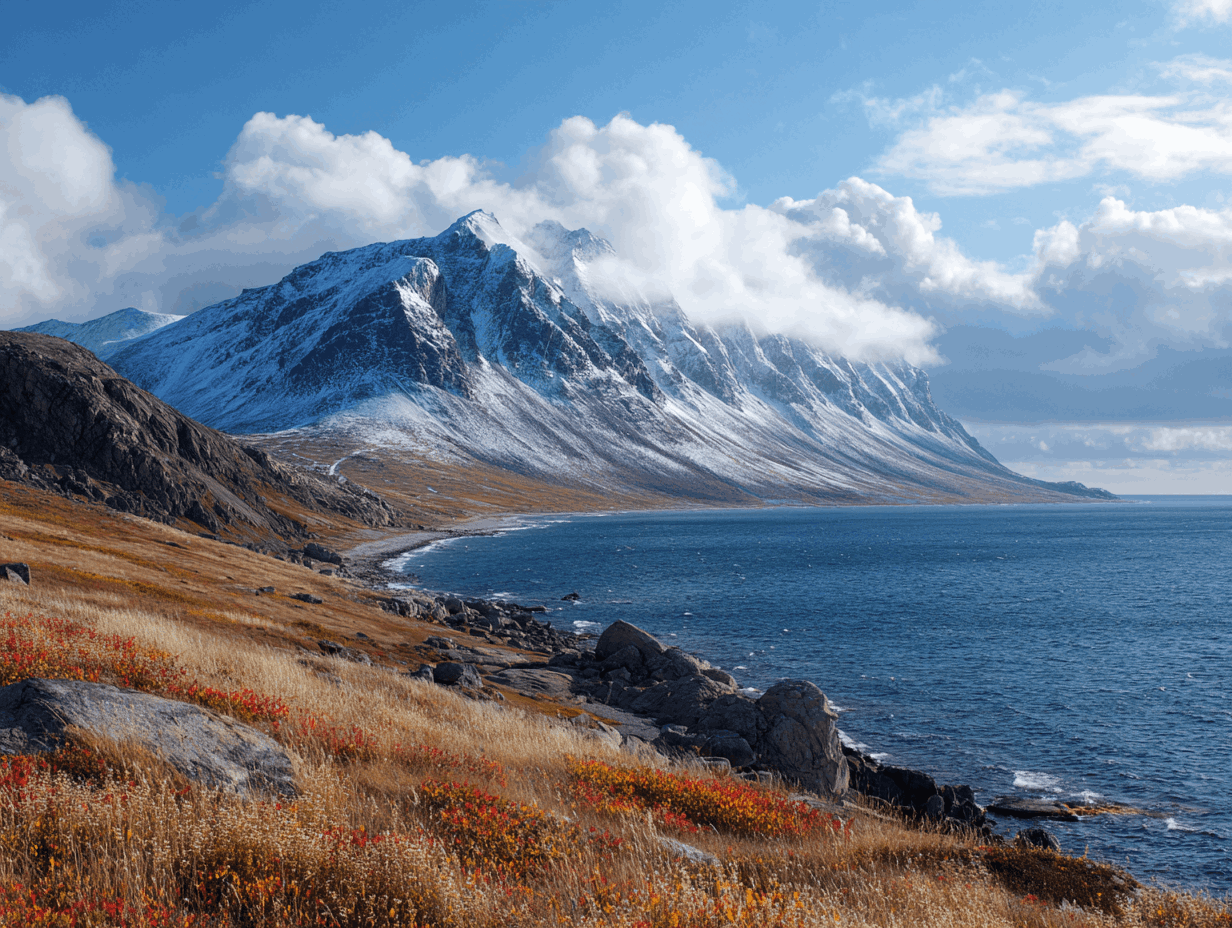
Remote Arctic destinations and isolated islands offer some of the most untouched nature on Earth. From polar bears on ice floes to unique bird colonies and dramatic landscapes, these places are worth the effort but demand careful planning because of few flights and unpredictable conditions.
How to get there
The most popular Arctic gateway is Longyearbyen on Svalbard, reached by flying to Oslo or Tromsø in Norway first and then taking a connecting flight north. Flights to Svalbard operate only a few times per week and can be affected by weather. For Greenland most travelers fly to Reykjavik in Iceland and then continue to Nuuk or Ilulissat. The Faroe Islands are accessible via direct flights from Copenhagen or Oslo, or by ferry from Denmark and Iceland.
Other remote islands like the Aleutians or certain parts of the Canadian Arctic usually require flying to a regional hub first and then catching small charter or scheduled flights on tiny aircraft. These smaller planes have very limited seats so booking months in advance is essential. In many cases the only practical way is through organized tours or expedition cruises that handle all transfers and logistics for you.
Domestic flights in these regions are often operated by a handful of local carriers. They are reliable when the weather cooperates but schedules can change at short notice. Renting boats or using local guides becomes necessary once you arrive on many islands.
What to do if weather cancels the trip
In the Arctic and on remote islands weather is the biggest challenge. Strong winds, fog, snow or icing can cancel flights for several days in a row. If your flight is cancelled contact the airline or tour operator immediately. Local carriers and expedition companies are familiar with these conditions and will usually rebook you on the first available flight once the weather clears.
Always add at least 3-5 extra buffer days to any itinerary involving remote Arctic or island travel. This extra time is often what saves the trip. While waiting in gateway cities like Tromsø, Reykjavik or Nuuk you can explore local museums, take shorter nature walks, visit cultural centers or simply enjoy the northern lights if the season is right.
Many lodges and tour operators in these regions are very understanding with weather delays and will adjust your accommodation and activities accordingly. Reliable travel insurance that specifically covers remote area delays, missed connections and trip interruptions is almost mandatory here.
Reaching these far-north and island destinations takes patience and flexibility but the reward is unforgettable. Few people get to experience such wild and pure nature. Plan with enough extra time, pack warm layers and proper gear, stay adaptable and you will return with stories and memories that most travelers only dream about.