kyhjv-673b74-07187b
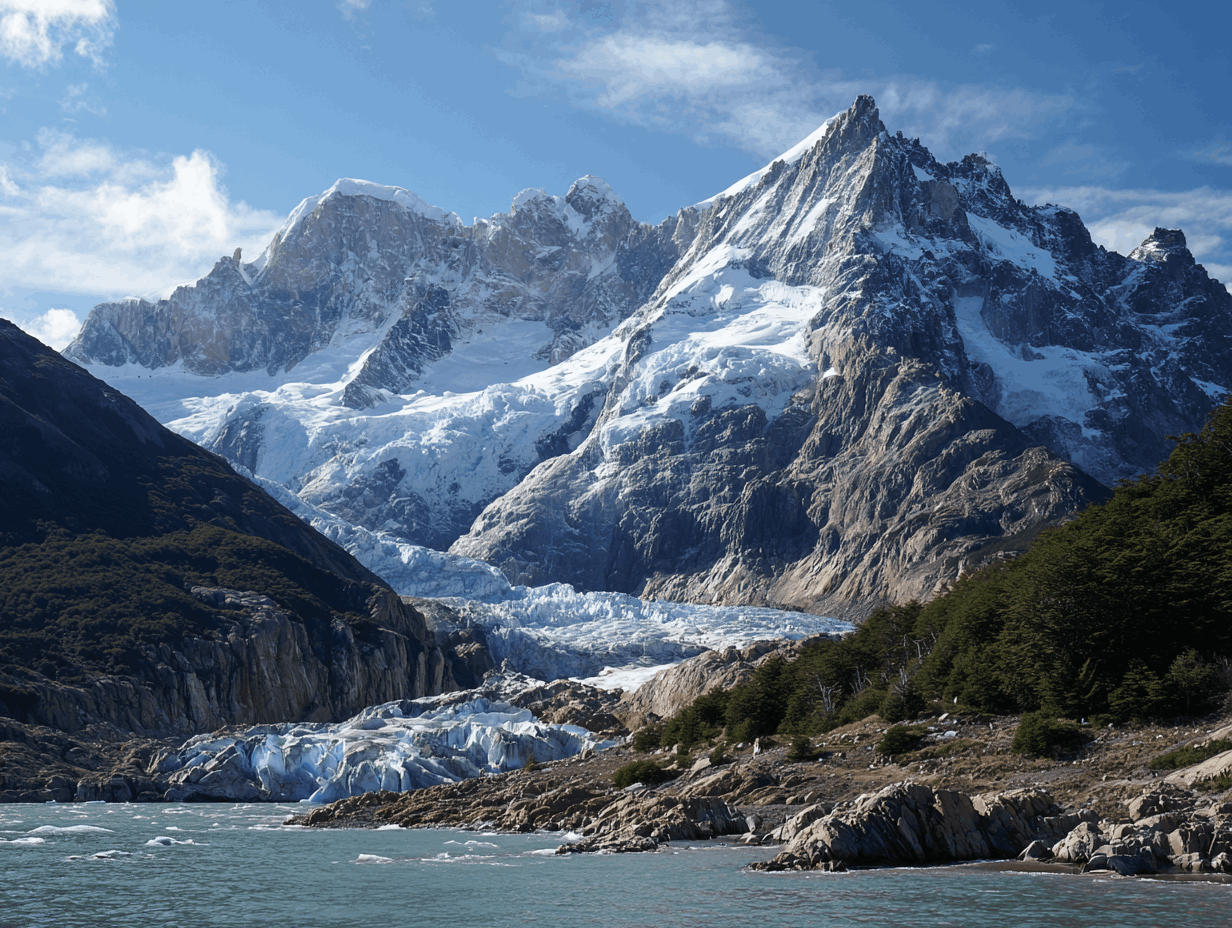
Patagonia is one of the most spectacular yet challenging destinations on the planet. With dramatic mountains, massive glaciers and endless winds, it rewards those who plan carefully. Torres del Paine National Park in Chile is the crown jewel but other remote spots in both Chile and Argentina are equally worth visiting.
How to get there
The main gateways to Patagonia are Punta Arenas (Chile) and El Calafate (Argentina). For Torres del Paine most travelers fly into Punta Arenas Airport (PUQ) and then take a bus or private transfer north to Puerto Natales (about 3 hours). From Puerto Natales it is another 2 hours by bus or taxi into the park.
Another popular route is flying into El Calafate (FTE) in Argentina to see Perito Moreno Glacier first, then crossing the border by bus to reach Torres del Paine. This option works well if you want to experience both sides of Patagonia.
International flights usually go through Santiago de Chile or Buenos Aires. From Santiago there are several daily flights to Punta Arenas. From Buenos Aires you can fly directly to El Calafate or Ushuaia. Domestic flights within Chile and Argentina are quite reliable but it is best to book them in advance during the high season (December to March).
Once in the region renting a car in Puerto Natales or El Calafate gives the most freedom, although many people prefer organized transfers or guided tours because of the long distances and unpredictable weather. Fuel stations and services are limited so always plan your route carefully.
What to do if weather cancels the trip
Patagonia is famous for its strong winds and sudden weather changes. Flights to Punta Arenas or El Calafate are often delayed or cancelled due to high winds or low visibility. If your flight is affected contact the airline immediately. Airlines operating these southern routes are usually quite flexible and will rebook you on the next available departure without huge extra fees.
It is strongly recommended to add at least 2-3 extra buffer days to your Patagonia itinerary. This extra time can save your trip if weather disrupts your plans. Many hotels and tour operators in Puerto Natales and El Calafate are experienced with these situations and will help adjust reservations when possible.
While waiting for better conditions you can explore local towns, visit museums, try excellent Patagonian lamb or king crab, or take short walks in less exposed areas. In Punta Arenas you can visit the waterfront or penguin colonies that are sometimes accessible even in windy weather.
Good travel insurance that covers flight delays, cancellations and missed connections is almost essential for Patagonia. Also keep an eye on weather forecasts a few days in advance so you can adjust internal flights or transfers proactively.
Traveling to Patagonia requires patience and flexibility but the rewards are enormous. When the clouds finally part and you stand in front of the towering Torres or watch ice calve from a glacier, you will understand why so many people return to this wild and beautiful place again and again. Plan well, stay adaptable and enjoy the journey.